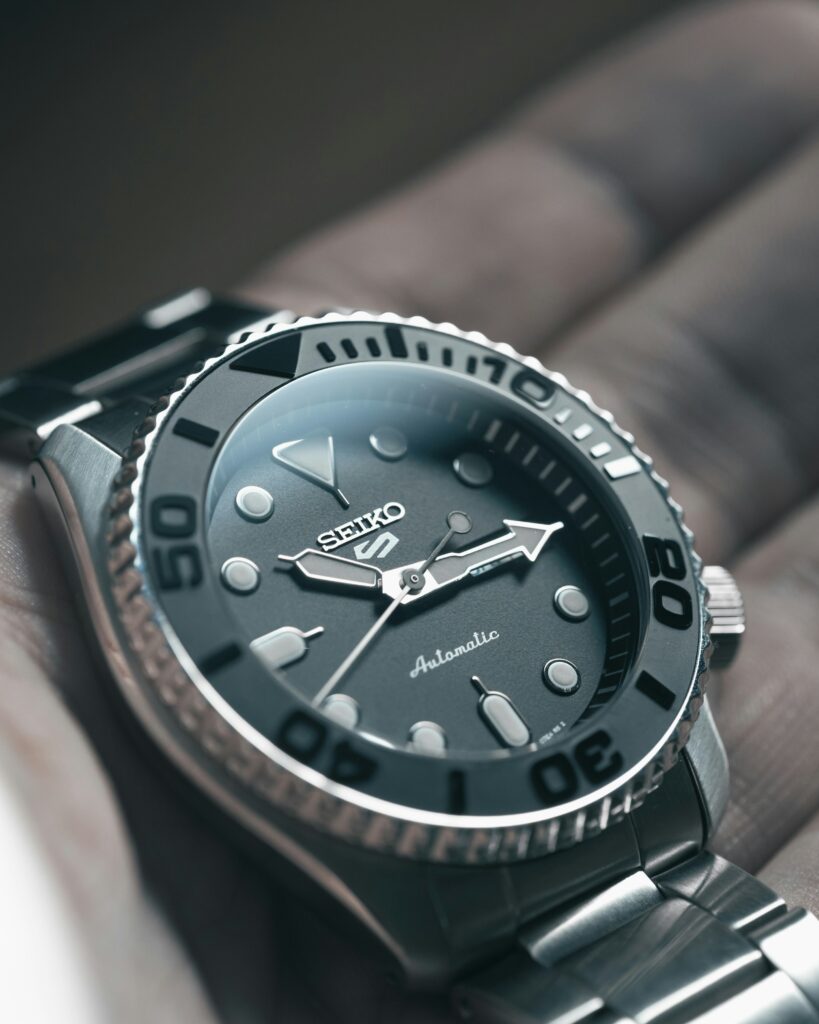
Working out the real zenmarket fees for watches is the difference between a bargain and a disappointment, because the headline service fee is only one line on an invoice that usually has six or seven. A ¥120,000 Grand Seiko does not cost ¥120,000 by the time it reaches your door in Los Angeles or London.
This guide breaks down the zenmarket fees for watches you will actually pay, what changed in 2026, and how the total compares to the alternatives. Read it before you place your first bid, not after the invoice arrives.
Zenmarket Fees for Watches: The Short Answer
Zenmarket charges a flat service fee per item rather than a percentage of the price. That single design choice shapes everything else about the cost.
As of mid-2026, the structure looks like this:
- Recommended stores: ¥300 per purchase
- Most other stores: ¥500 per purchase
- Yahoo Auctions bids: ¥800 per bid, increased from ¥500 in May 2026
- Mercari Shops: ¥800 per purchase, increased from ¥500 in April 2026
For watch buyers, the ¥800 auction figure is the one that matters. Most Japanese watch supply sits on Yahoo Auctions, so that is the rate you will actually pay. Confirm the current number on Zenmarket’s own fee page before you commit — proxy pricing moved twice in 2026 alone.
The flat fee is good news on expensive watches. On a ¥120,000 vintage Seiko, ¥800 is roughly 0.7% of the item price. A percentage-based competitor charging 5% would take ¥6,000 on the same watch.
The Service Fee and the 2026 Increase
Zenmarket raised its Yahoo Auctions bidding fee from ¥500 to ¥800 effective May 1, 2026. Mercari Shops purchases went the same way a month earlier — worth knowing if you shop that platform, since we break down the full cost stack for Mercari Japan watch purchases separately. Recommended stores stayed at ¥300 and general stores stayed at ¥500.
One quirk trips up newcomers: Zenmarket does not call it “Yahoo Auctions” on its own site. It appears as JDirectItems Auction. Same platform, different label. If you are hunting for the fee schedule and cannot find Yahoo mentioned anywhere, that is why.
Does the 60% increase change the calculation? Barely. An extra ¥300 on a watch costing tens of thousands of yen is noise. The increase hurts people buying stacks of ¥800 manga, not someone chasing a single Seiko diver.
The lesson is about proportion. Judge zenmarket fees for watches against your typical order value, not against the fee in isolation.
Domestic Shipping, Storage, and Consolidation
Once you win an auction, the seller ships the watch to Zenmarket’s warehouse inside Japan. You pay that domestic shipping cost, and it is set by the seller, not by Zenmarket.
Watches are light and small, which works in your favour here. Expect a modest domestic charge for a single watch — far less than you would pay for a camera lens or a pair of boots. Sellers occasionally offer free domestic shipping, which removes the line entirely.
Zenmarket then stores your item free for a limited window before daily storage charges begin. For a single watch you will ship immediately and never touch storage. For collectors batching three or four pieces, the free window is what makes consolidation possible.
Consolidation is the genuine money-saver. Combining four watches into one parcel means paying international shipping once instead of four times. That saving dwarfs any difference in service fees between providers.
International Shipping: The Biggest Line on Your Invoice
For most orders, international shipping costs several times more than the zenmarket fees for watches you paid at purchase. This is where your money actually goes.
Cost depends on three things: destination country, carrier, and weight bracket. Japan Post EMS, DHL, FedEx, and surface mail all price differently, and the gap between them widens on heavier parcels.
A single watch in a small box usually falls into the lightest bracket. The trap is packaging. A watch shipped in its original presentation box with outer packaging can jump a weight bracket and cost noticeably more than the same watch in a slim padded parcel.
Ask for the box to be removed if you do not need it. If the box matters — and for a boxed Grand Seiko it often adds resale value — accept the bracket jump as part of the purchase price rather than a surprise.
Insurance deserves a moment of thought. On a watch worth four figures, declining coverage to save a small amount is a poor trade. Check what the carrier covers by default and what the declared value limit is.
Payment Fees and Currency Conversion
Zenmarket runs on a deposit model. You add funds to your account balance before bidding, rather than paying per order at checkout.
Two costs hide here. The first is the payment processing surcharge, which varies by method — cards, PayPal, and bank transfer are not priced the same. The second is the currency spread applied when your dollars, pounds, or euros become yen.
The spread is the one people miss. It rarely appears as a labelled line item; it is baked into the exchange rate you receive. On a large purchase, a spread of a percent or two can exceed the entire service fee.
Compare the rate you are offered against the mid-market rate on any currency site before funding a large deposit. If the gap is wide, a different payment method may be cheaper even if its stated surcharge looks higher.
Optional Services Worth Paying For
Zenmarket offers add-ons at extra cost. Most are skippable. Two are not, when the item is a watch.
Additional photographs are the single best money you can spend. Japanese auction listings are often photographed poorly, and a watch that looked clean in a seller’s four images can reveal a scratched bezel or a stretched bracelet in a proper photo set.
Careful repacking matters because watches travel badly in loose boxes. A mechanical movement does not enjoy a long flight rattling inside an oversized carton.
Skip the rest unless you have a specific reason. Gift wrapping and similar extras add cost without protecting your purchase. If you are unsure what a listing’s condition code actually promises, our guide to Japanese watch condition grades explains what each rank means before you decide whether photos are necessary.
Customs Duty and Import Tax
This is not a Zenmarket charge, but you will pay it, and it catches more first-time buyers than any proxy fee.
When your watch enters your country, customs may levy import duty, VAT or sales tax, and a handling fee from the carrier. Rates and thresholds vary enormously — a watch that arrives duty-free in one country attracts twenty percent tax in another.
Two rules apply almost everywhere. Duty is usually calculated on the item value plus shipping, not the item alone. And declaring a lower value to reduce duty is customs fraud, not a clever tactic, regardless of what a seller offers to write on the form.
Look up your own country’s threshold before buying. For a broader picture of what lands on your doorstep, our breakdown of shipping watches from Japan covers carriers, timelines, and customs in more depth.
Real Cost Example: A ¥120,000 Grand Seiko to the US
Numbers make this concrete. The figures below are illustrative — your actual invoice will differ by destination, carrier, and payment method — but the shape of the bill is accurate.
| Line item | Typical cost | Notes |
|---|---|---|
| Winning bid | ¥120,000 | The watch itself |
| Service fee | ¥800 | Flat, per auction bid |
| Domestic shipping | ¥800–1,500 | Set by the seller |
| International shipping | ¥4,000–8,000 | Varies by carrier and bracket |
| Payment surcharge | Varies | Depends on funding method |
| Currency spread | Often 1–2% | Invisible, built into the rate |
| Optional photos | Small | Recommended on any used watch |
| Import duty and tax | Country-dependent | Paid on delivery, not to Zenmarket |
Notice the proportions. Of all the zenmarket fees for watches on this invoice, the service fee is the smallest controllable line. International shipping and currency costs together typically run five to ten times higher.
This is why arguing about proxy service fees on expensive watches misses the point. The fee is real, but it is not where your money goes.
Zenmarket Fees for Watches vs Buyee: When Each One Wins
The comparison that drives most decisions is Zenmarket against Buyee, and the answer genuinely depends on the watch.
Buyee charges a percentage of the item price rather than a flat fee. On cheap items that model is competitive. On expensive ones it scales badly — a percentage of a ¥300,000 vintage piece is a serious number, while Zenmarket’s flat fee does not move.
The crossover point sits somewhere in the low thousands of yen. Below it, percentage pricing can win. Above it, and virtually every watch worth importing is above it, the flat fee wins clearly.
Buyee counters with pay-after-you-win bidding, which means you are not tying up a deposit while you bid on auctions you may lose. Zenmarket’s deposit model requires funds up front. For someone bidding on six watches hoping to win one, that difference in working capital is real.
Our full Zenmarket vs Buyee comparison for watches works through bidding, protection, and support side by side. For the equivalent numbers from the other side, see our breakdown of Buyee fees for watches, and if you want a third option in the mix, From Japan vs Buyee covers the hybrid model. To see when that hybrid beats ZenMarket’s flat fee, our Zenmarket vs From Japan for watches comparison runs the numbers.
Fees only matter once you have found something worth buying. Yahoo Auctions Japan holds the deepest used watch inventory in the country, and it is where the meaningful price gaps against Western markets appear.
Checking those gaps is worth the effort. Listings on Chrono24 give you an international benchmark, and community threads on Watchuseek help you sanity-check whether a specific reference is genuinely underpriced or simply unpopular.
If you are new to the platform, start with our guide to buying watches on Yahoo Auctions Japan, and note that payment methods on Yahoo Auctions Japan work differently through a proxy than they do for domestic buyers. For a wider view of the providers, our best proxy service for Japan watches roundup compares all three main options.
How to Cut Your Total Proxy Costs
Six practical moves, in rough order of how much they save:
- Batch your purchases. Consolidating three watches into one parcel saves more than every other tactic combined.
- Watch the weight bracket. Ask whether removing the original box drops you a tier before you approve shipping.
- Fund in larger, less frequent deposits. Fewer transactions means fewer processing surcharges.
- Compare the exchange rate you are given against the mid-market rate. The spread is often the second-largest hidden cost.
- Buy from recommended stores when the same watch is listed there. The service fee drops to ¥300.
- Pay for photographs. This adds cost but prevents the expensive mistake of buying a watch that needs a service.
The counterintuitive point is that the last item saves money by spending it. A ¥120,000 watch requiring a ¥40,000 movement service is a far worse outcome than any fee you avoided. Trimming zenmarket fees for watches is worth doing, but never at the cost of buying blind.
Final Thoughts on Zenmarket Fees for Watches
The honest summary of zenmarket fees for watches is that the service fee is the least important number in the conversation. At ¥800 per auction bid it is small, predictable, and shrinks to irrelevance as the watch gets more expensive.
What deserves your attention is the stack underneath: international shipping, currency spread, and import duty. Those three routinely add far more than the fee everyone argues about, and unlike the fee, you have some control over them.
Before your first order, do two things. Confirm the current fee schedule on Zenmarket’s own site, since 2026 saw two changes already. Then look up your country’s import threshold so the delivery charge does not surprise you.
Do that, and the total cost of a Japanese watch stops being a guess. Which is the whole point — you came for a watch at a good price, not for an education in proxy invoicing.