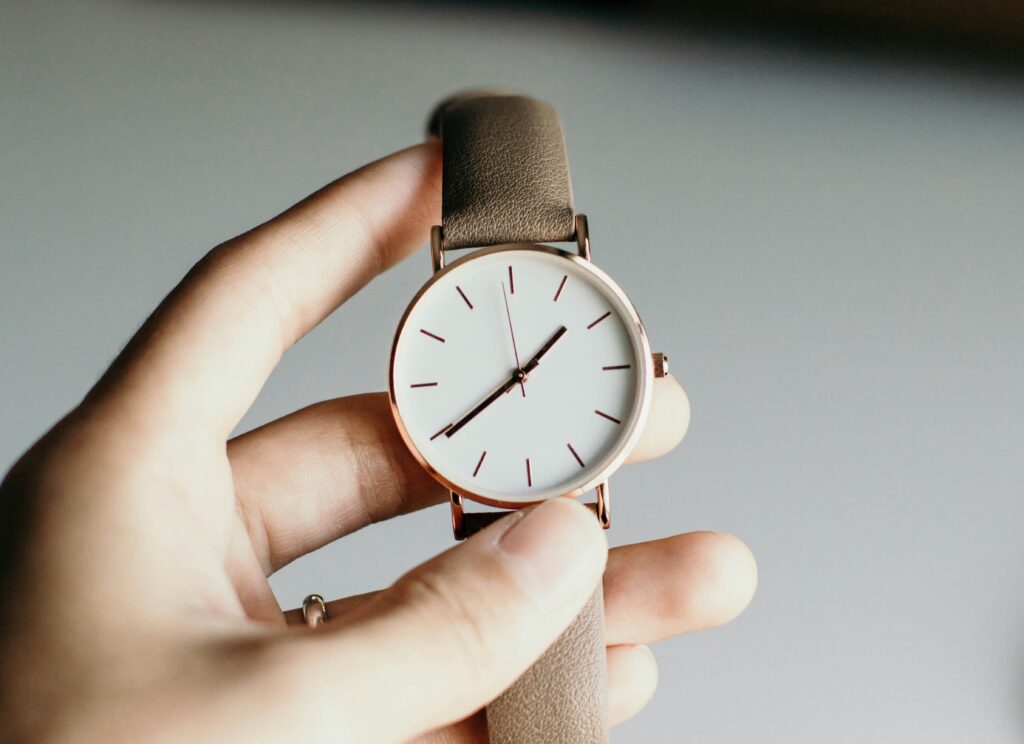
If you are weighing Orient vs Seiko used watches from Japan, you are looking at two of the best value plays in all of affordable mechanical watchmaking. Both are Japanese, both are everywhere on the secondhand market, and both hand you a genuine automatic movement for a fraction of Swiss money. But they are not the same brand, they do not build watches the same way, and on the used market they reward very different buyers. This guide breaks down the Orient vs Seiko used decision the way an international buyer actually needs it: movements, model lines, design, real-world value, and exactly where to buy each one secondhand from Japan.
Orient vs Seiko Used: The Quick Verdict
Short on time? Here is the honest summary before the detail. Buy Orient used if you want an in-house automatic with real horological character — hand-winding, hacking, and a decorated rotor — at the lowest possible entry price, and you mostly care about dress and diver styles. Buy Seiko used if you want the widest possible choice of models, stronger brand recognition and resale liquidity, and access to icons like the SKX, the 5KX, and Presage.
Neither is objectively “better.” Orient tends to win on pure value-per-dollar for an automatic; Seiko wins on selection, resale, and cultural cachet. The rest of this comparison exists so you can match one to your own wrist and budget instead of guessing.
Are Orient and Seiko the Same Company?
This is the single most misunderstood point in the whole Orient vs Seiko used debate, so let’s settle it first. Orient is not made by Seiko Watch Corporation. Orient is owned by Seiko Epson — the Epson you know for printers — which is a separate company from the Seiko Watch Corporation that actually sells Seiko-branded watches. Both trace back to the historic Seiko lineage, but they operate independently.
Seiko Epson took a majority stake in Orient in the 2000s and became full owner in 2009. Orient Watch Co. was folded into Seiko Epson through an absorption-type merger that took effect in early 2026, but Epson has been explicit that Orient-brand watches continue exactly as before. So when someone tells you an Orient is “just a rebranded Seiko,” they are wrong — Orient designs and manufactures its own movements separately. The two are cousins, not twins.
Why does this matter to a used buyer? Because it explains everything downstream: why Orient makes its own calibers, why the styling feels related-but-different, and why the two brands sit at slightly different points on the price ladder.
Movements: In-House Orient Calibers vs Seiko’s Workhorses
Movements are where the Orient vs Seiko used comparison gets genuinely interesting. Orient’s headline feature is that it builds its own movements in-house in Japan. The modern F6-series automatics (found in the Bambino dress line and elsewhere) typically offer hacking seconds and hand-winding, roughly a 40-hour power reserve, and an attractively decorated rotor you can see through an exhibition caseback. The older 46-series is the durable workhorse that ran Orient’s catalogue for decades.
Seiko’s affordable automatics are a family of proven workhorses. The legacy 7S26 (in older Seiko 5 and SKX models) does not hack or hand-wind. The newer 4R35 and 4R36 add both features, and the step-up 6R35 pushes the power reserve past 70 hours. The NH-series is the same mechanical base Seiko supplies to the wider industry.
The practical takeaway: a modern Orient automatic often gives you hand-winding and hacking at the very bottom of the price range, where a bargain vintage Seiko on a 7S26 will not. Move up to a 4R- or 6R-powered Seiko and you close that gap, but you usually pay a bit more used. For a full look at Seiko’s own movement tiers, see our guide on the best Seiko divers to buy used from Japan.
Model Lineups Compared: Divers, Dress, and Sport
Seiko’s catalogue is enormous, which is both its strength and its complication. On the used market you will run into the Seiko 5 and its modern 5KX (SRPD) sport line, the discontinued-but-beloved SKX divers, the dressy Presage family, and the tougher Prospex divers and field watches — plus a deep bench of quartz.
Orient runs a tighter, more focused lineup. The Bambino is its cult affordable dress watch. The Mako, Ray, and Kamasu cover automatic divers, with the Kamasu adding a sapphire crystal that punches above its price. The M-Force handles rugged sport, and Orient Star is the upmarket sub-brand with nicer finishing and higher-grade movements. We rank specific references, and explain which ones never left Japan, in our guide to the best Orient watches to buy used from Japan.
If you are cross-shopping affordable Seiko divers specifically, the Orient Mako/Ray/Kamasu trio is the most direct rival, and our comparison of the Seiko SKX vs 5KX shows exactly what Orient is up against in that segment. For dress, the Bambino goes head to head with entry Presage.
| Factor | Orient (used) | Seiko (used) |
|---|---|---|
| Owner | Seiko Epson | Seiko Watch Corporation |
| Movements | In-house F6 / 46 series | 7S26, 4R35/36, 6R35, NH |
| Entry hacking + hand-wind | Often yes, even at the bottom | Only on 4R/6R, not on 7S26 |
| Signature models | Bambino, Mako, Ray, Kamasu | Seiko 5, 5KX, SKX, Presage, Prospex |
| Selection | Focused, smaller | Vast, many eras |
| Resale / liquidity | Modest | Strong, especially SKX |
| Best for | Max value on an automatic | Choice, icons, resale |
Design and Brand Identity
Orient’s design language leans classic and understated. The Bambino’s domed crystal and slim dress-watch profile chase a vintage, almost European elegance, and even Orient’s divers feel a touch more restrained than Seiko’s. If you like a watch that looks more expensive than it is and does not shout, Orient tends to deliver that quiet confidence.
Seiko’s identity is broader and often bolder. From the tool-watch aggression of a Prospex diver to the enamel and porcelain dials of higher Presage models, Seiko covers more visual ground because the catalogue is simply bigger. That range is why so many collectors own multiple Seikos — there is a Seiko for almost every taste, era, and budget.
Design is personal, so this is not a scoring category. It is a filter: browse both brands’ galleries before you commit, because the styling difference is often what decides the Orient vs Seiko used question in the end.
Build Quality, Accuracy, and Servicing
Build quality is the category where the Orient vs Seiko used gap is smallest. At the affordable end, both brands are built to a price, and both are famously reliable. Expect similar realities used: mineral or Hardlex crystals on cheaper references, mid-pack mechanical accuracy that usually settles within a normal daily range once regulated, and cases that survive years of daily wear. Neither brand is chasing chronometer numbers at this level, and that is fine.
Servicing favours Seiko slightly on sheer parts availability, simply because there are more Seikos in the world and a bigger aftermarket. Orient movements are robust and serviceable too, but a watchmaker may occasionally source parts less quickly. For either brand, factor a future service into the true cost of ownership, especially on an older used piece with unknown history.
Whichever you choose, condition matters more than brand at this price. Learn to read a listing carefully — our walkthrough on Japanese watch condition grades will save you from overpaying for a tired example.
Orient vs Seiko Used: Price and Value on the Japanese Market
On the Japanese secondhand market, both brands are bargains, but they are bargains in different ways. Orient generally sits at the lower end: a clean used Bambino or Mako often lands below a comparable Seiko automatic, and you still get that in-house movement. That is Orient’s core pitch — the most watch per yen when what you want is a real automatic.
Seiko commands a modest premium used, and certain references command more than modest. A genuine SKX007 or SKX009 has become a collector item, with prices that have climbed well past their original retail as stock dried up after discontinuation. That premium is the flip side of Seiko’s biggest advantage: strong resale and liquidity.
Prices shift constantly with condition, reference, and exchange rates, so treat any figure you read as a starting point and confirm current sold listings before you buy. Our breakdown of used Seiko prices in Japan versus eBay shows how much the sourcing channel alone can move the number.
Where to Buy Orient and Seiko Used from Japan
Both brands are deepest and cheapest at the source: Japan’s own secondhand marketplaces. Yahoo Auctions Japan has the largest pool of used Orient and Seiko listings anywhere, and Mercari Japan is strong for lightly used pieces at fixed prices. The catch is that neither ships internationally or takes a foreign card directly — which is where a proxy buying service comes in.
A proxy service (such as Buyee, Zenmarket, or From Japan) bids or buys on your behalf, receives the watch at a Japanese warehouse, and forwards it to your country. That is the standard path for any international buyer, whether you land on Orient or Seiko. If you are new to it, start with our step-by-step guide to buying watches on Yahoo Auctions Japan, then compare your forwarder options in our best proxy service for Japan watches roundup.
Two more practical reads before you check out: understand shipping watches from Japan so customs and insurance do not surprise you, and — for Seiko especially, where fakes exist — know how to spot a fake Seiko on Yahoo Auctions before you bid.
Which Should You Buy? Matching the Brand to the Buyer
Buy Orient used if: you want the maximum mechanical value for your money, you love the idea of an in-house automatic with hand-winding and hacking at a rock-bottom price, and you are drawn to classic dress watches like the Bambino or clean, sapphire-equipped divers like the Kamasu. Orient is the connoisseur’s value pick.
Buy Seiko used if: you want the widest choice, the strongest brand recognition, the best resale, or a specific icon like the SKX, the 5KX, or a Presage. Seiko is the safe, liquid, endlessly deep default — the brand you can always sell on later.
Still torn? Widen the field. Seiko also stacks up interestingly against its other Japanese rivals — see how it compares in our Citizen vs Seiko used and Grand Seiko vs Seiko used guides, and browse the wider field in our roundup of the best Japanese watches to buy used. For official specs while you research, Orient’s global site is at Orient Watch and Seiko’s at Seiko Watches.
Final Word on Orient vs Seiko Used
There is no loser in the Orient vs Seiko used matchup — only a better fit for you. Orient rewards the value hunter who wants a proper in-house automatic for less; Seiko rewards the buyer who prizes choice, icons, and resale. Decide which of those matters most, pick the specific model that speaks to you, and then buy it well from Japan using a trusted proxy. Do that and you will end up with a Japanese mechanical watch that outclasses its price no matter which badge is on the dial.