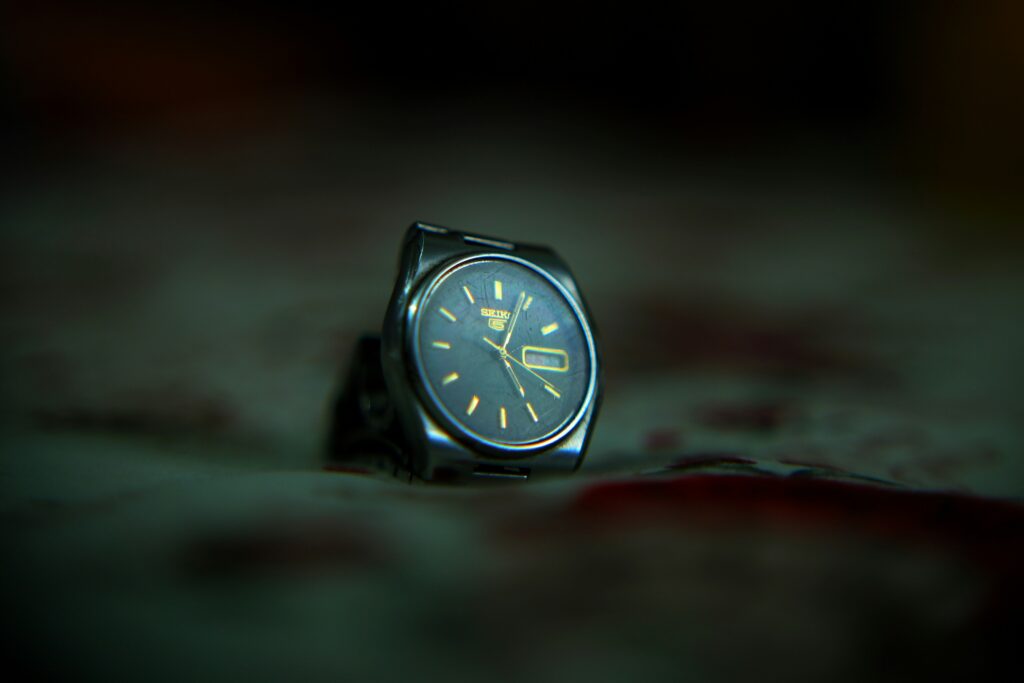
Working out the real from japan fees for watches is harder than it should be, because From Japan does not charge one fee — it charges a stack of them, and the headline per-item number is the smallest line on the invoice. The percentage-based layer that follows is what actually decides whether your Seiko or Grand Seiko lands cheap or expensive.
This guide completes our proxy fee series: we have already broken down Buyee fees for watches and ZenMarket fees for watches. Here we do the same for From Japan — every line you will pay, why the math works differently, and when its hybrid model beats the flat-fee rivals.
One honesty note up front: From Japan has revised its fee amounts several times, and third-party guides still quote different per-item numbers from different eras. So this guide explains the fee structure, which is stable, and tells you exactly which lines to confirm on the official fee page before you buy. That approach will still be accurate next quarter; a table of today’s yen amounts would not.
From Japan Fees for Watches: The Quick Answer
The short version of from japan fees for watches: you pay a small per-item service fee, then a percentage-based usage fee applied to your payment totals, plus domestic shipping at actual cost, international shipping, and any optional protection. The per-item fee is one of the lowest among the big proxies — that is the number From Japan advertises. The percentage layer is where the real cost lives, and it scales with the price of your watch.
That structure is the opposite of ZenMarket’s flat-fee approach, which is why the two services split so cleanly by use case in our Zenmarket vs From Japan for watches comparison: From Japan tends to look cheap on inexpensive pieces and progressively less cheap as the watch gets more valuable.
One branding note so the checkout screens do not confuse you: From Japan’s consumer service now operates under the name One Map by FROM JAPAN. Same company, same fee system — if help pages or invoices say One Map, you are in the right place.
Every Line on a From Japan Invoice
Here is the full from japan fees for watches stack in one view — the rest of this guide walks each line in order.
| Fee line | What it is | Watch-buyer impact |
|---|---|---|
| Per-item service fee | Small flat charge per item | Minor; charged once even for multiples of the same item |
| Usage fee (percentage) | Percentage applied to payment totals | The big one — scales with watch price |
| Domestic shipping | Seller to warehouse, at actual cost | Varies by seller; budget for it |
| International shipping | Warehouse to you, carrier rates | Usually the largest absolute line |
| Protection options | Inspection and coverage add-ons | Worth it on valuable watches; priced separately |
| Storage beyond free window | Charged after the free period ends | Avoidable with planning |
1. The Per-Item Service Fee: The Number They Advertise
From Japan’s per-item fee is genuinely low — a few hundred yen, undercutting the flat fees at Buyee and ZenMarket. It has been revised more than once (2020, 2024, and adjustments since), which is exactly why we are not printing a number here. One quirk worth knowing: if you buy multiple units of the same item in one order, the fee is charged only once.
For watch buyers, this line is almost never the deciding factor. On any watch worth shipping across an ocean, the per-item fee is noise. Judge From Japan on the next line instead.
2. The Percentage Layer: Where Costs Actually Scale
This is the heart of the from japan fees for watches question. On top of the per-item fee, From Japan applies a percentage-based usage fee to your payment totals. Buyer communities have long reported it in the ballpark of a few percent per payment — small words, big consequences.
Run the logic: a percentage fee on a ¥20,000 Seiko 5 is pocket change. The same percentage on a ¥400,000 Grand Seiko is a four-figure yen charge that a flat-fee service simply would not levy. This single line explains most of the price gap you will see when you quote the same expensive watch through different proxies.
Because the percentage applies to payment totals, it can also touch your second payment — the shipping charge — not just the item. Confirm on the official fee page how the current calculation treats each charge before you commit to a high-value purchase.
3. The Two-Charge Billing System
From Japan bills in two installments, and understanding this removes most first-timer confusion. Charge 1 covers the item price plus fees, paid when you win or buy. Charge 2 covers international shipping and remaining costs, paid when your parcel is ready to leave Japan.
The upside is cash-flow: you are not fronting shipping money weeks before anything ships. The downside is that your true landed cost stays unknown until Charge 2 arrives — and if you pay by card in your home currency, you take two separate currency conversions instead of one. Our guide to payment methods for Japanese auctions covers which rails add the least conversion margin.
For auction purchases there is one more wrinkle: From Japan has historically capped how much you can spend on Yahoo Auctions bids by credit card or PayPal in a given month, past which you must deposit funds to keep bidding. The cap is not prominently documented, so heavy bidders tend to discover it mid-hunt. If you are planning an aggressive bidding month, factor that into how the from japan fees for watches stack meets your payment method — and consider depositing ahead of time.
4. Domestic Shipping: The Forgotten Line
Every item must first travel from the seller to the proxy warehouse, and From Japan passes this through at actual cost — anywhere from free to well over a thousand yen depending on the seller and method. Watch buyers routinely forget this line, then wonder why Charge 1 exceeded the auction price.
The practical defense: when comparing listings of the same reference, factor the seller’s shipping method in. Two identical-looking listings can differ by a meaningful amount once domestic shipping is included. On a multi-watch haul the effect compounds: five sellers means five domestic legs before consolidation even begins.
5. Consolidation, Storage, and Protection Options
From Japan holds your purchases for a free storage window and consolidates multiple items into one international parcel — the standard proxy play for multi-watch hauls. The free window’s length has varied over time, so check the current terms rather than trusting an old forum post; ZenMarket’s 60-day window is the benchmark to compare against.
Protection is where From Japan pitches hardest at watch buyers: inspection, extra photos, and coverage options aimed at high-value items. These cost extra, and on any watch worth four figures they are usually worth it — a pre-shipment check is your last chance to catch a problem while the seller is still reachable. Budget these options into your from japan fees for watches total from the start rather than bolting them on at checkout. What that inspection can and cannot tell you is covered in our guide to Japanese watch condition grades.
6. International Shipping, Duties, and Payment Costs
International shipping is usually the largest absolute line on any proxy invoice, charged at carrier rates by weight and dimensions. Nothing From Japan-specific here — our breakdown of shipping watches from Japan covers carriers, insurance, and customs paperwork in depth.
Two things to verify at checkout rather than assume: first, duties — US import-duty handling changed repeatedly through 2025 and 2026, and proxies moved toward collecting duties upfront for US orders, so read the duty line before confirming. Second, payment fees — From Japan has waived certain payment processing fees in recent years, but terms vary by method, so the checkout screen is the source of truth.
Worked Example: A ¥60,000 Seiko vs a ¥300,000 Grand Seiko
Check the global market price first — Chrono24 for current asking prices, WatchCharts for the trend — then walk the invoice:
- The ¥60,000 Seiko: per-item fee is negligible, the percentage layer adds a modest amount, domestic shipping and international shipping dominate. From Japan’s total lands close to — and sometimes under — the flat-fee rivals. At this bracket, the from japan fees for watches math is friendly.
- The ¥300,000 Grand Seiko: the percentage layer is now a serious line item, likely exceeding every fee except international shipping. A flat-fee service charges the same service fee it would on the cheap Seiko; From Japan does not. If you buy at this level through From Japan, you are paying for its bidding tools and protection options — make sure you are actually using them.
How From Japan Fees Compare to Buyee and ZenMarket
The three big proxies split cleanly by fee philosophy: Buyee and ZenMarket charge flat per-item or per-order fees, while From Japan runs the hybrid low-fee-plus-percentage model. Flat fees favor expensive single watches; From Japan’s structure is friendliest on cheaper items and competitive in the middle brackets.
Fees are only one axis, though. Bidding tools, inspection quality, and storage terms move real money too, which is why the full head-to-head comparisons — From Japan vs Buyee for one flank and our roundup of the best proxy services for Japan watches for the whole field — are worth reading before you commit a serious purchase to any one service.
How to Keep From Japan Fees for Watches Down
- Match the service to the watch price. Route cheap-to-mid pieces through From Japan freely; quote expensive pieces against a flat-fee rival first.
- Consolidate deliberately. Collect several wins within the free storage window and ship once — international shipping is the biggest line, and one parcel beats three.
- Mind domestic shipping when choosing listings. Same reference, different seller shipping — it adds up across a haul.
- Convert currency once if you can. The two-charge system means two conversions on most cards; a low-margin payment method matters twice.
- Re-check the official fee page before big purchases. The structure is stable; the amounts are not. Thirty seconds of checking beats a stale number from a 2024 blog post.
Frequently Asked Questions
How much does From Japan charge per item?
A small flat fee of a few hundred yen — among the lowest headline fees of the major proxies. The amount has been revised several times, so confirm the current figure on the official fee page rather than trusting third-party numbers.
What is From Japan’s usage fee?
A percentage-based charge applied to your payment totals on top of the per-item fee. It is the line that scales with the price of your watch, and the main reason expensive purchases cost more through From Japan than through flat-fee proxies.
Why did my Charge 2 cost so much?
Charge 2 bundles international shipping, any remaining fees, and — depending on the current calculation — a percentage applied to that payment. Heavy or bulky parcels and premium couriers push it up fast. Consolidating shipments is the main lever for bringing it down.
Is From Japan cheaper than Buyee or ZenMarket for watches?
Often yes on inexpensive watches, often no on expensive ones. The percentage layer means from japan fees for watches scale with price, while Buyee and ZenMarket charge flat fees regardless of value. Quote both before a four-figure purchase.
Is One Map the same as From Japan?
Yes — One Map by FROM JAPAN is the current consumer brand of the same company and fee system. If you followed a From Japan link and landed on One Map, nothing is wrong.